

Entering the world of 3D is undeniably exhilarating, but it can also prove quite frustrating, especially for beginners. As highlighted in our recent PBR article, newcomers to the 3D realm are often faced with the difficult task of mastering the fundamental concepts of creating VFX.
Among these concepts, one that often poses a challenge is “topology.” In this short article, we aim to shed light on the fundamental rules that underlie modeling, extending its importance to other critical areas such as animation and rigging.
What is topology and why is it challenging?
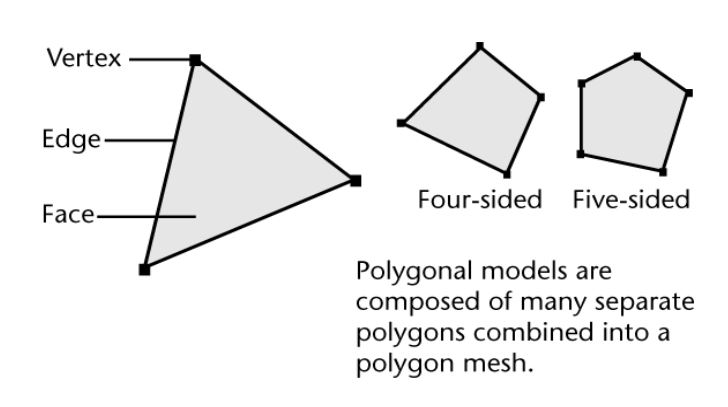
Topology, in the context of 3D graphics, refers to the arrangement and connectivity of vertices, edges, and faces within a three-dimensional space. It is essentially the blueprint that defines the structure of our digital creations. The complexity of the connections between vertices and the formation of faces can initially seem overwhelming, akin to solving a complex puzzle.
It is based on the arrangement of geometric elements in a 3D model. These elements – vertices, edges, and faces – interact to create surfaces and shapes. Mastery of topology involves understanding how these elements come together harmoniously to form cohesive structures, whether sculpting a character or designing a vehicle.
Quads, Tris or Ngons?

In the world of topology, not all geometric elements are the same. Quads, triangles (tris), and polygons with more than four sides (ngons) each have their place, but their use must be carefully considered. Quads are generally the preferred choice because of their advantages in providing better control and predictability, helping to give a more professional look to 3D models. Tris, while useful in some scenarios, can introduce artifacts and complicate geometry. Ngons, while tempting for their simplicity, often lead to unpredictable results and should be used sparingly, if at all.
Advantages of using Quad-based topology
UV mapping: Quads are generally easier to use when it comes to UV mapping. They offer an easier layout for texture creation and can make it easier to avoid distortions in the texture mapping process.
Topology control: Quads allow better control of a model’s topology.
Uniform subdivision: Quads subdivide more evenly than triangles.
Smoothing and deformation: Quads are often preferred for modeling and animation of characters because they tend to produce more uniform deformations during character rigging and animation.
Why topology matters in Rigging and Animation
Imagine creating a character intended for an action sequence. Without proper topology, the character’s movements might look unnatural, hampered by jagged edges and uneven surfaces. Good topology ensures seamless animation and rigging, allowing characters to bend, twist, and assume facial expressions convincingly. In addition, efficient topology improves rendering performance, ensuring that intricate scenes are rendered smoothly without sacrificing visual fidelity.
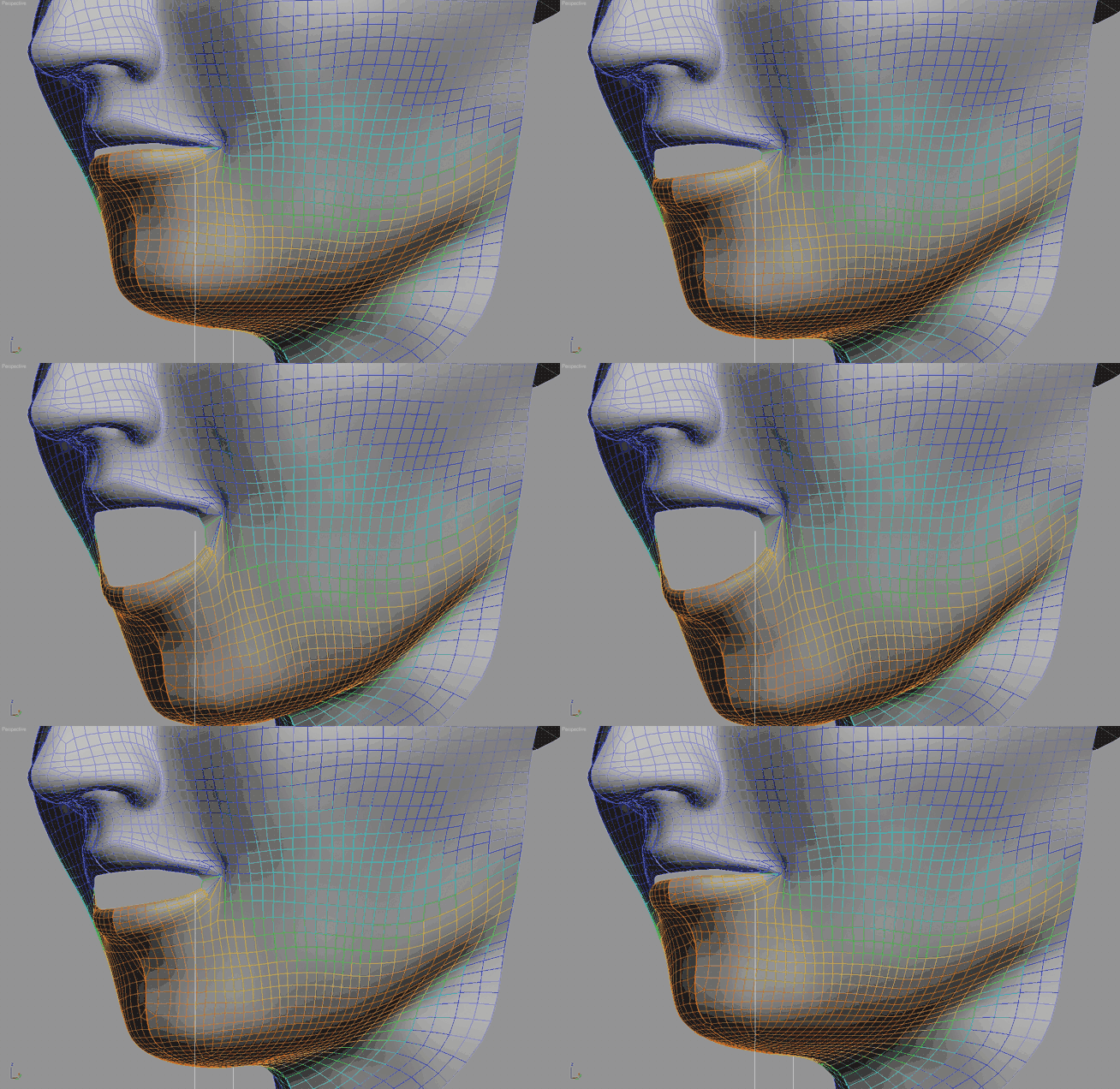
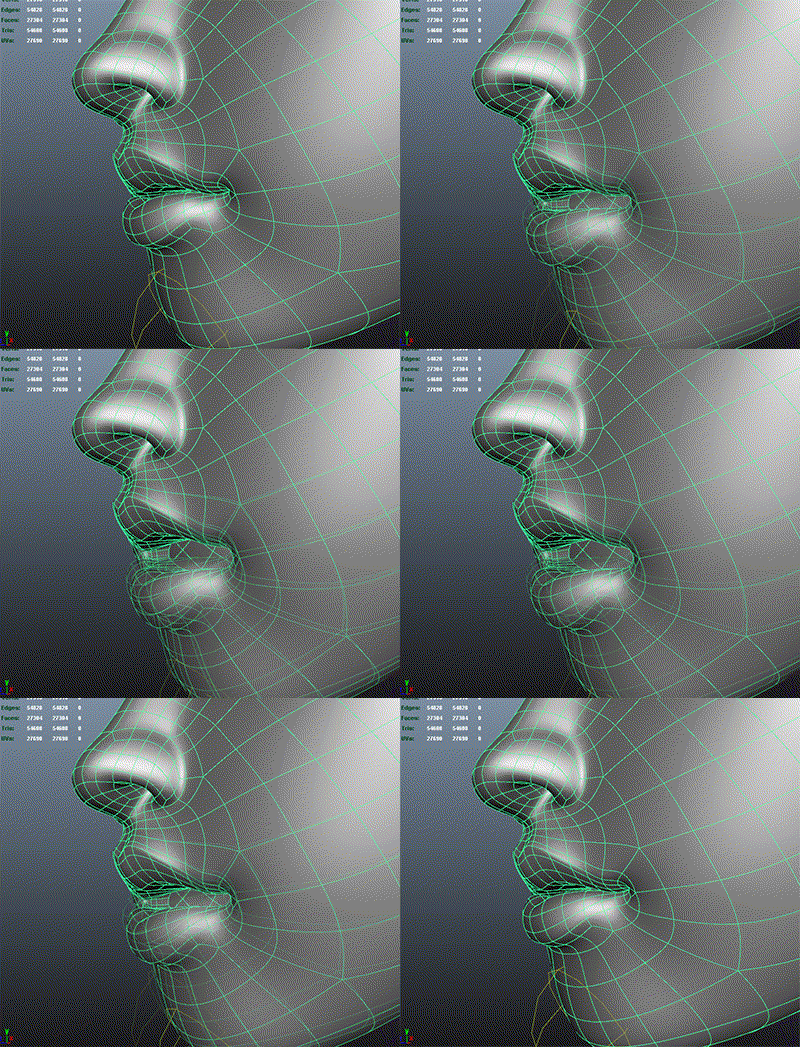
In summary, mastering topology may initially seem difficult, but with perseverance, it becomes a breakthrough for any 3D artist. Once you grasp its basics and recognize its significance, you will be amazed at how it amplifies your creative potential.
 THE ART OF VISUAL EFFECTS AT ESCAPE STUDIOS