

AI is everywhere these days, and the impact it’s having on the VFX world is something we can’t ignore. As a 3D Generalist working in texturing and lookdev, I’ve come across some challenges when searching for real, authentic textures online. The growing presence of AI-generated images in search results can be frustrating; they’re polished but lack the natural depth that gives textures their believability. But while AI references may feel like a step backward, AI tools within software are opening up exciting new possibilities.
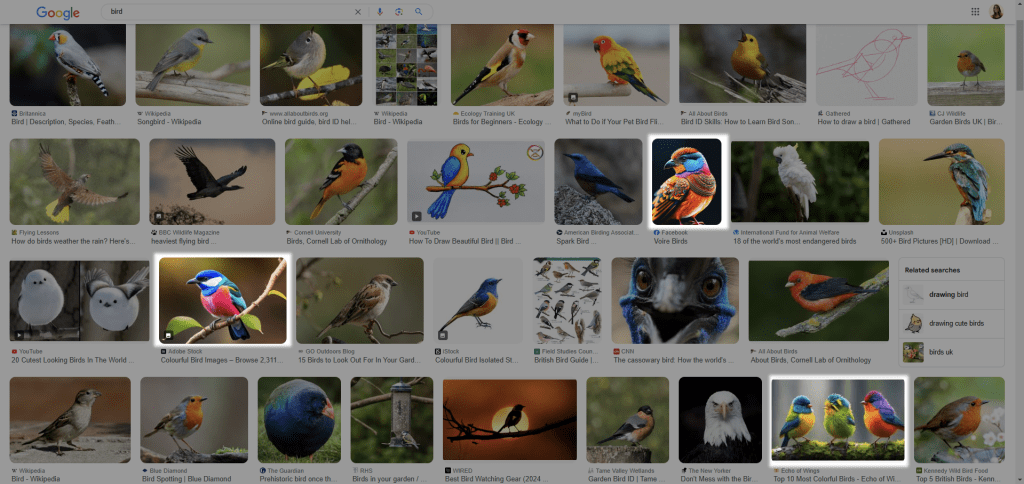
The Frustration of AI-Generated References
Many artists are finding that part of their search results are now AI-generated, leading to endless sifting to find genuine references. This is especially frustrating when AI images, no matter how sharp they look, just don’t capture the natural texture qualities that make surfaces feel “real.”
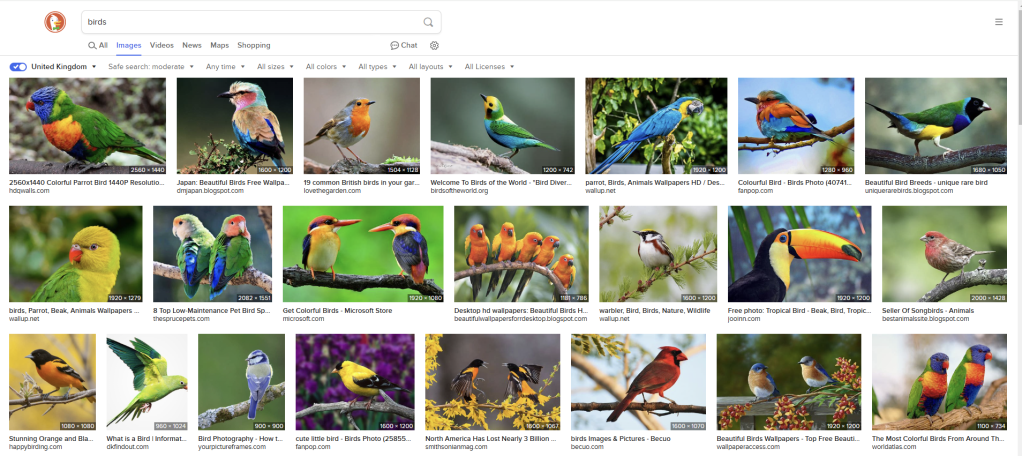
Some artists recommend adding terms like before:2021 to Google searches or even switching to DuckDuckGo, which supposedly has less AI-generated clutter. Others are buying curated reference packs from trusted sources to avoid the constant AI noise, or even going old-school by taking their own photos when possible. For those working with specific subjects like anatomy or fabric textures, sites like iNaturalist, Pexels, and Unsplash have free, high-quality, human-made images. These small steps can cut down on the hassle of filtering through AI content in search results.
Where AI Tools Are Actually Helpful
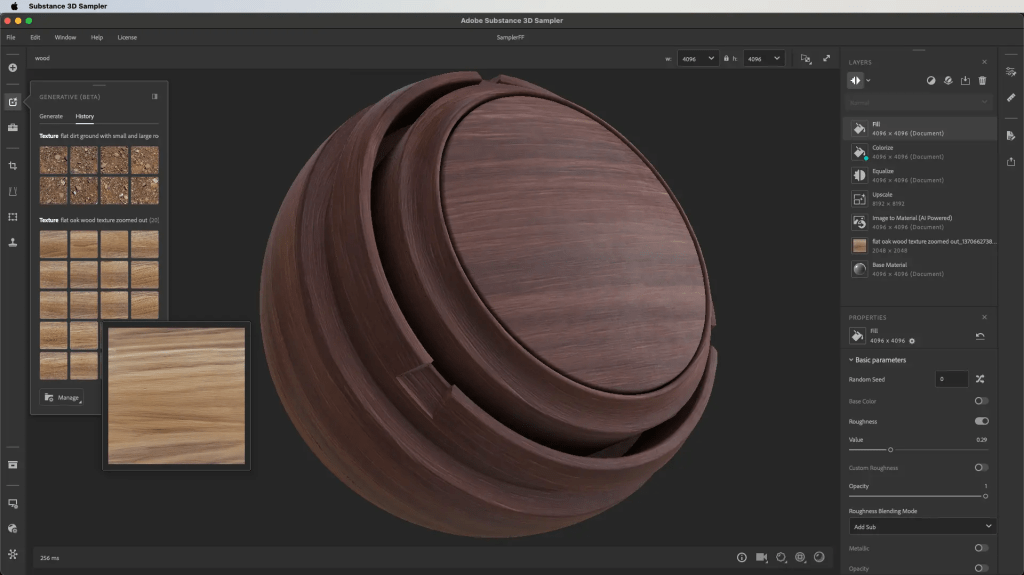
But it’s not all bad news. While AI-generated references are often more of a roadblock than a resource, AI as a tool within our workflow can actually save us time on tedious parts of the process. Programs like Substance Painter, with features powered by Adobe Firefly, allow artists to use AI to generate base textures or procedural patterns. Instead of sorting through endless search results, we can start from scratch with a simple text prompt, giving us a useful (and customizable) foundation that we can refine. Tools like these streamline the technical aspects, leaving us with more time to work on adding the unique touches that give textures character.
Balancing AI and Artistic Integrity
While these AI tools are useful for laying groundwork and streamlining certain steps, they’re no substitute for the vision we bring to texturing. AI-generated images may flood our search results, but they can’t replace the authentic creativity that comes from human insight. AI shines when it’s assisting our process by taking on foundational tasks, allowing us to concentrate on adding depth, realism, and personality to each project.
By blending traditional skills with these AI tools, we retain control over the creative journey. AI isn’t going anywhere, but neither are we. With a bit of flexibility, we can learn to navigate the “AI flood” and use the best tools to take our work to the next level.
I hope this article gives you a balanced view of AI in texturing and some practical ways to make it work in your favor. With the right approach, we can continue pushing creative limits while preserving the unique qualities that define our work! 🔥
 THE ART OF VISUAL EFFECTS AT ESCAPE STUDIOS