

Once upon a time
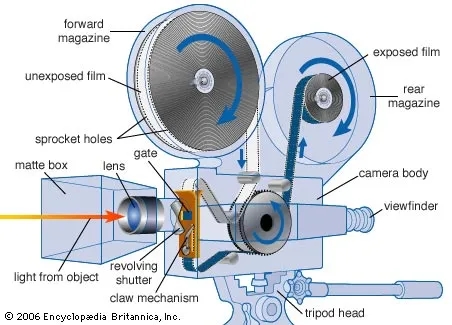
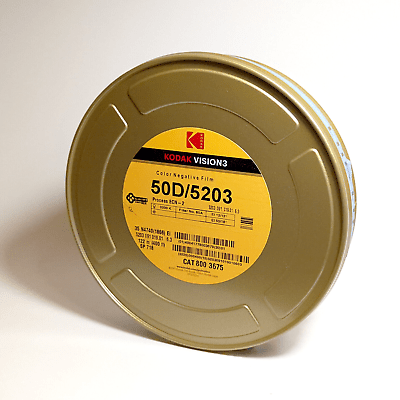
When I decided to become a Visual Effect artist after 11 years working on set as camera operator, everything was still very much captured on film, meaning the very same perforated film fromat invented some 100 years earlier by the like of Edison and Muybridge.
The day I started my training in Compositing at Escape Studios, it was only a couple of months after I had completed my last contribution on set, behind the camera. It was Mission Impossible: Ghost Protocol.
We were filming in Prague. And my assistant was reloading the magazine of the camera at a relentless rate of a fresh roll every 2 and half minute of film duration, at 24 fps (frame per second). In hindsight, it seems like madness and such an antiquated way of making movies, but it was pretty much the only way back then.
The Transition Era
In fact early adoption of the digital medium and sensors for motion picture started in the mid 1980’s but remained experimental and plagued by technical limitations which secured the prosperity of film for another couple of decades.
A notable milestone came in 2002 with Star Wars Episode II: Attack of the Clones – the first major Hollywood blockbuster to be shot 100% digitally. While a genuine breakthrough, the quality of the digital sensor and resolution – limited to HD – couldn’t rival what film still had to offer.
While most movies were still being captured and projected on film, Digital Visual Effects were already available for some time – Jurassic Park, 1993 or Terminator 2, 1991 – providing the first photo-realistic CGI. In other words VFX were already ahead of the curve compared to the acquisition and distribution format, which had barely evolved since the early days of motion picture.

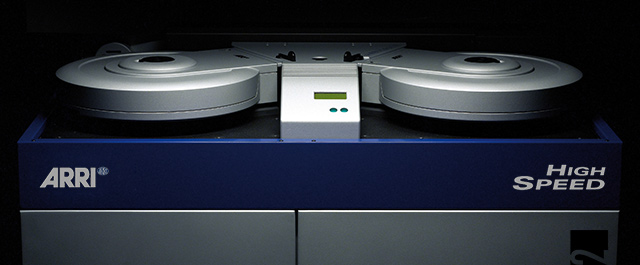
In order to reconcile the asynchronous development of VFX and the historical medium movies were still made of – film – the industry had to go through an hybrid era where films were scanned to become pixels and enable the digital VFX, before being printed back into film for projection and distribution. (below picture of an ARRI Laser Imager system, printing digital images back to film).
Digital Sensors
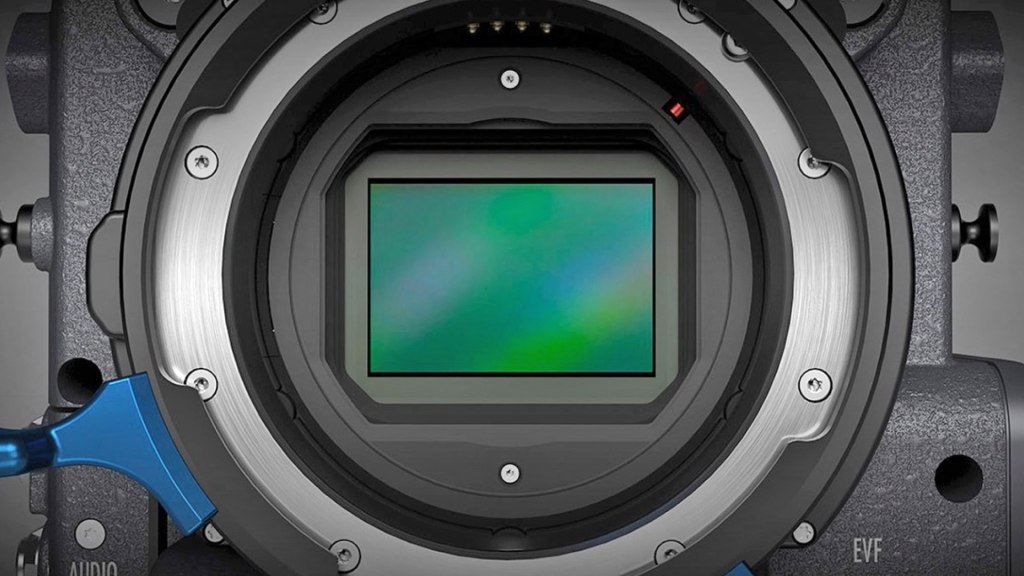
Digital sensors gradually became better, overcoming the early technical limitations in terms of dynamic range, resolution and frame rate.
Sony in particular made great progress with the famous CineAlta digital motion picture camera, drawing from its experience with broadcast and TV.
The RED camera also marked a distinctive turning point in 2007, pushing the technical boundaries of what was then available on the market.
Nowadays, to the exception of a few nostalgic – Chris Nolan, Quentin Tarantino, Wes Anderson – the world of motion picture has become entirely digital, after a revolution which took only 20 years.
The Future
Some more revolutions are to come and the best way to remain on the top of the waves of change is to keep learning and adapt continuously. Escape Studios endeavor to deliver such adaptability and the skills which will enable to tackle any changes in the future.
Check our courses THERE!
 THE ART OF VISUAL EFFECTS AT ESCAPE STUDIOS