

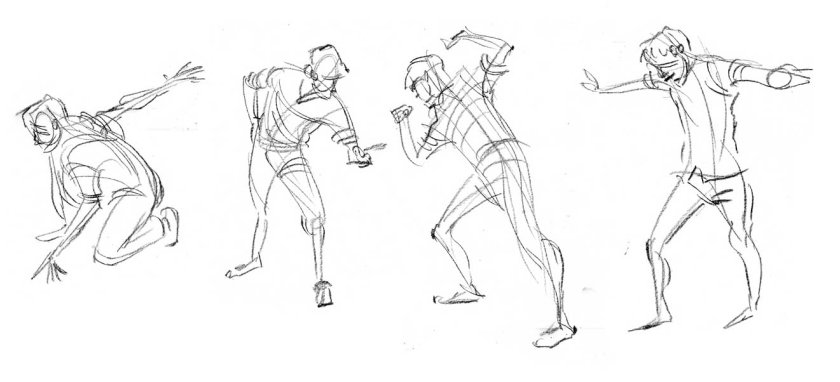
I think it’s fairly safe to say many of us 3D artists – modellers in particular – have some background in Drawing; for most of us we likely entered university or similar off the back of a portfolio filled with various sketches and drawings; and some of us may have continued drawing and sketching (like me) or completely left it behind to pursue a 3D modelling program of some kind.
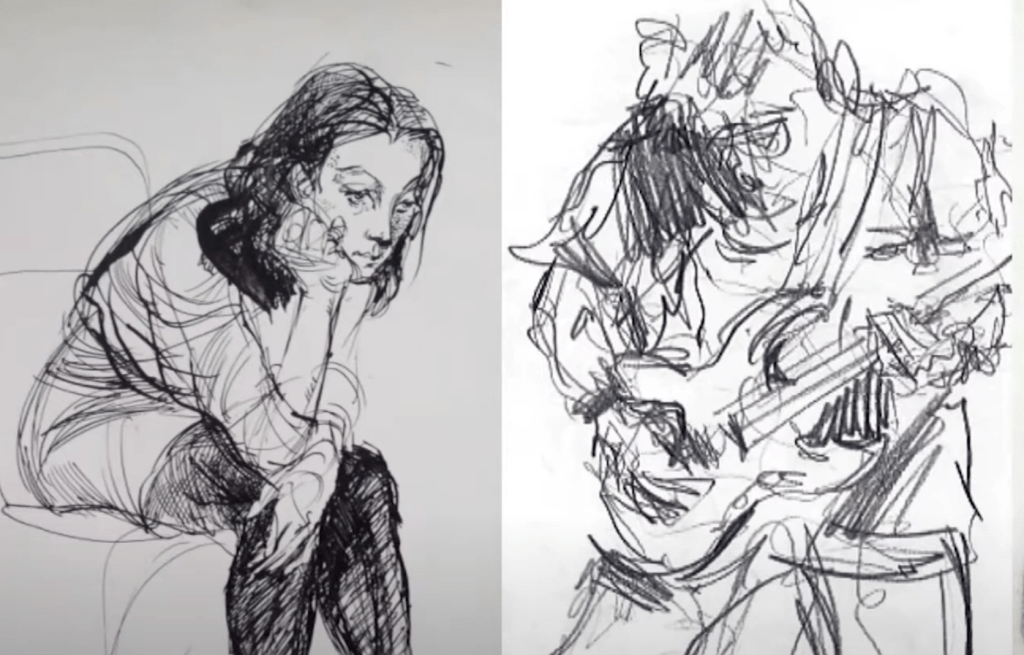
But when I started my classes at DMU in 2014, it was drilled into us that we needed to be at least semi-competent draftspeople to become good 3D modellers and sculptors.
For the first few weeks of the course we were taken out sketching along the canal in Leicester and we did life drawing at least once a week for the entirety of 1st year.
This was all – as our lecturers put it: ” To learn the art of seeing”.

Now a 3D artist doesnt need to be the next Scott Robertson or Charles Bargue to get anywhere in the Industry; but I do agree with the opinion that a semi-decent background or skill in drawing does help your modelling simply because it improves your ability to roughly measure and judge proportions or composition by eye alone ie: “The Art of Seeing”
Not only this but drawing out your ideas or your visual problems can help you break down the shapes and analyse them – allowing you to clear your head and get to the root of the issue more quickly.
3D modelling and Drawing go hand-in-hand; the medium is different but the thought process is similar I think.
You put down your primitive shapes or initial block in; checking each added elements proportions before refining those shapes to become more complex.
After all – if your simple shapes arent working, your complex ones wont either!
I’d wager most artists are very visual thinkers – allowing us to picture and manipulate common objects in our minds eye; but this image in our minds can be muddy or unclear (Or completely non-existent to those with Aphantasia but thats a different rabbit hole to explore).
So being able to make simple sketches of the thing you’re trying to make in order to communicate the idea to a client or colleague or to simply clarify the image for yourself is incredibly valuable and helps you tackle your project, again, more quickly and efficiently.
I’ve often seen students struggle with a complex shape in Maya, deleting the object in frustration and restarting because they got the proportions wrong or misunderstood a key detail.
So much of that frustration can be mitigated by doing simple sketches or studies of the object and starting the model from a stronger place; again these dont need to be a masterpiece but they can help inform your idea of the object in your minds eye.
One of the biggest problems students new to drawing and art in general encounter is drawing what they think instead of drawing what they see.
I think modelling students run into the exact same issues – I know I have – where I’ve tried to model something simple I think I know – like a wooden barrel or crate – but end up missing key details like the wooden or metal bands around the barrel or maybe this particular barrel has rivets along said banding.
I was modelling what I thought a barrell looked like; not what it actually looked like.
This again can be mitigated by simply studying the reference you’ve gathered and drawing is an easy way to ingrain that image into your mind more deeply.
So how do we improve our drawing?
Well the simple answer is – by drawing more!
But to expand on that here’s a few things that have helped me:
– A Sketchbook:
Perhaps a cliche answer but I think every student should have at least a decent A5 sketchbook with them as often as possible.
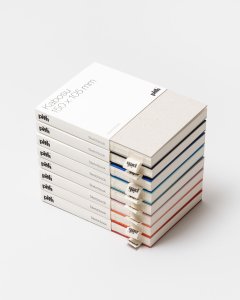
For me it used to be Moleskine sketchbooks or busy due to the paper quality and tone but I’ve been fond of my Pith Kabosu sketchbook since the paper is very similar and it’s recycled:
https://www.cassart.co.uk/pith-kabosu-sketchbook-200gsm-76-pages-150-x-105mm/
(Worth noting CassArts has student discounts so take advantage of that while you can!)
– Scott Robertsons “How to Draw”:
An old book now but probably still worth the read!
It goes in very detailed technical depth on how to draw objects – mostly hard surface; it’s a dry read I’ll be very honest but helpful!
https://www.amazon.co.uk/How-Draw-Drawing-Sketching-Environments/dp/1933492732
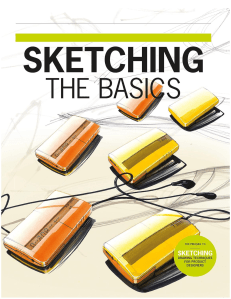
– Sketching; The basics by Roselien Steur:
A newer book but a less dry read compared to Scott Robertsons and covers very similar techniques.
Amazon link
– Life Drawing
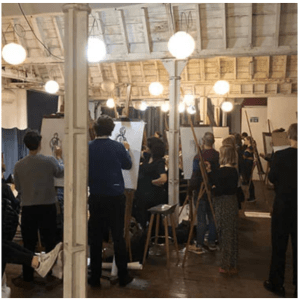
This is especcially important if you want to specialize in things like character or creature design; where your knowledge of anatomy and how to draw it can dramatically improve your ability to sculpt it.
The Candid Arts trust in Angel does excellent Life Drawing classes every month and it tends to cost £15 to book a place; highly recommend you attend every now and then.
https://www.candidartslondon.com/
At the end of the day drawing is a tool – like I said you dont need to be a master draftsperson to make your way through the Industry; but like every bit of software it’s a tool in our box we can use to help us achieve our goals.
 THE ART OF VISUAL EFFECTS AT ESCAPE STUDIOS