
When I first began exploring the world of visual art, I thought imagination was all I needed. I believed references were a beginner’s tool, something to be discarded once you’d “mastered” your craft. But as my characters grew rigid and my designs felt lifeless, it became clear that imagination alone wasn’t enough. References weren’t a limitation, they were a guide, helping to bridge the gap between creativity and reality.
To create something that feels believable, even in the most fantastical designs, you first need to understand the real world. References aren’t about copying; they’re about observing, learning, and building a strong foundation for your art.
Reference tools have come a long way from life drawing classes or anatomy books. Today, artists have access to advanced resources that make studying form, movement, and expression more dynamic than ever before. These tools have become indispensable for anyone working in VFX, animation, or concept art, offering unprecedented precision and creative possibilities.
One of the most revolutionary tools I’ve used is Body Visualizers. It’s a 3D platform where you can manipulate a digital human model, adjusting height, weight, proportions, and posture to suit your needs.
The first time I experimented with a body visualizer, I was fascinated by how a heavier frame shifted balance or how subtle adjustments in proportions could completely alter a character’s silhouette. It was like having a live model available 24/7, ready to pose for any scenario.
This tool is invaluable for creating realistic or stylized characters. It helps you go beyond textbook anatomy, letting you experiment while maintaining accuracy. Whether designing a lithe dancer or a towering warrior, the Body Visualizer ensures your characters feel grounded and believable.

2. X6udpngx’s Animal Reference Database
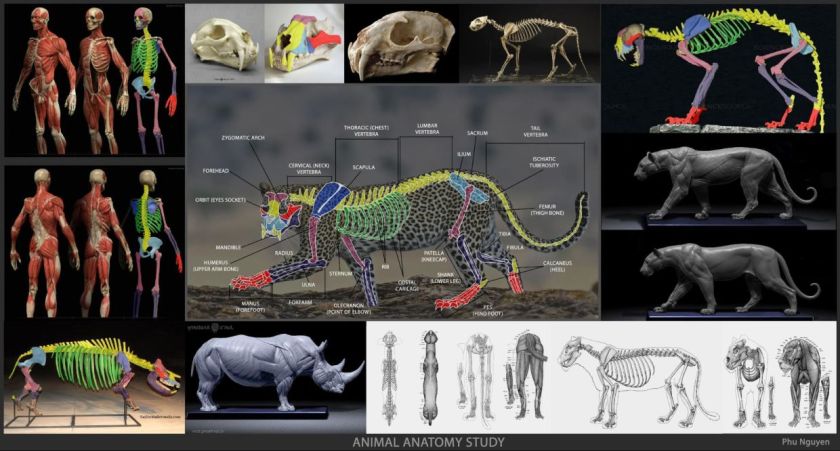
Animals have always been a source of inspiration for artists, but understanding their anatomy and movement can be challenging. That’s where X6udpngx’s Animal Reference Database comes in.
This platform offers high-resolution images of animals captured from multiple angles, highlighting their structure, movement, and behavior. Whether you’re studying the powerful gait of a bear or the delicate flight of a bird, the database provides everything you need to create creatures that feel real.
I’ve used this tool to design fantastical creatures, blending features from different animals to create something new. For example, I once studied a lion’s musculature and combined it with the wings of a bat to design a dragon. The result felt authentic because it was rooted in real-world anatomy.
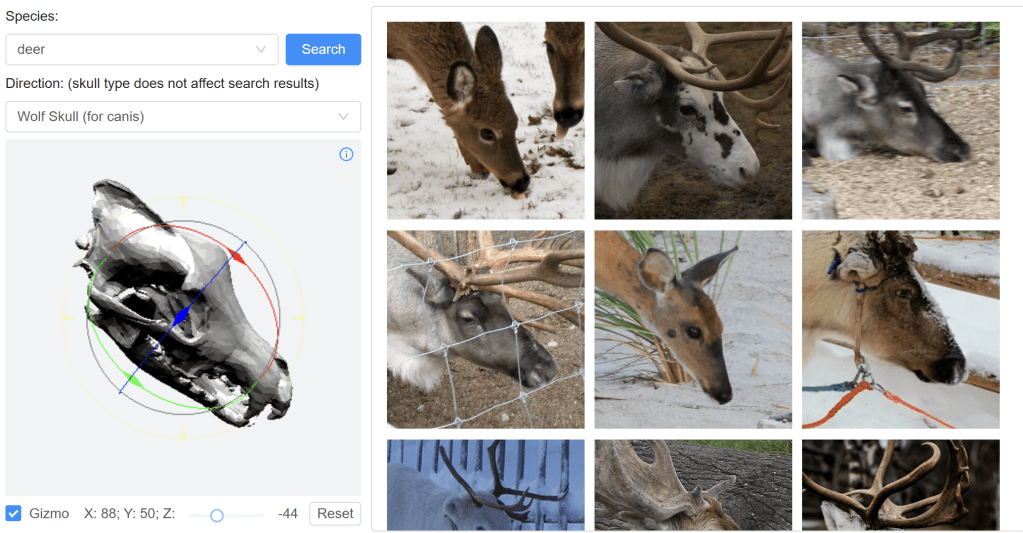
Faces are where emotion lives, and even the slightest mistake can break a design. Early in my journey, I struggled with lifeless or exaggerated expressions. That’s when I discovered Reference Angle, a database filled with male and female faces in a range of ages, expressions, and angles.
Using this tool, I studied how muscle movements shape a smile or how a tilted head alters perspective. Whether working on a stylized animation or a photorealistic digital portrait, Reference Angle gave me the tools to create characters with depth and personality.

As amazing as these tools are, they’re not a replacement for traditional methods like life drawing or real-world observation. Drawing from life teaches you to notice the imperfections and nuances that make art feel alive like the subtle asymmetry in a model’s posture or the uneven texture of skin. The best approach combines both: using modern tools to refine technique while embracing the authenticity of real-world experiences.
If there’s one thing I’ve learned, it’s that references aren’t just for beginners. They’re for anyone who wants to push their craft to the next level. Gather references. Observe. Experiment.
The more you understand your subject, the more confident and creative you’ll become. And as technology continues to evolve, tools like these will only grow more powerful. But no matter how advanced they get, the core principles of observation and study will always remain the same.
So, whether you’re designing a character, a fantastical creature, or an immersive environment, remember: references aren’t a shortcut. They’re the foundation of great art!
Ilaria Colavito – 3D VFX Tutor at Escape Studios
 THE ART OF VISUAL EFFECTS AT ESCAPE STUDIOS