
The VFX industry has always been about adapting to change. While film and TV have long been the core of the industry, VFX artists have been shaping experiences in live events, museums, theme parks, fashion, and medical visualization for years. These aren’t “new” industries, they’ve been here, growing alongside film, and they continue to offer strong career paths for skilled artists.
If you’re studying VFX, your skills are needed across multiple industries, not just in traditional post-production! Here’s where VFX is making an impact today.
Live Performances
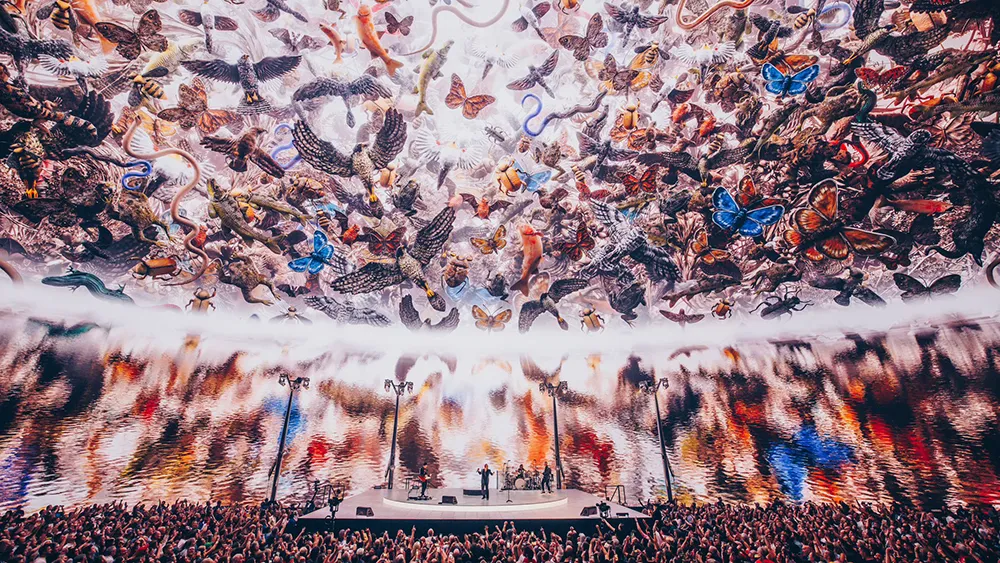
Concert visuals have come a long way, with projection mapping, real-time VFX, and LED screens transforming stages into immersive environments.
One of the most impressive examples is U2’s residency at Sphere Las Vegas. The venue features a 16K wraparound LED screen, creating enormous, moving digital backdrops that enhance the band’s performance. The visuals were designed by Treatment Studio, with additional work from ILM and artist Marco Brambilla.
VFX artists working in live entertainment are often responsible for pre-rendered visuals and interactive effects synced with lighting and sound. The industry is growing, with an increasing demand for real-time VJ artists using tools like TouchDesigner and Notch.
Museums & Interactive Exhibits
Museums have moved beyond static displays, using VFX, projection mapping, and interactive digital environments to engage visitors!
The Van Gogh Alive exhibition is a prime example. Developed by Massimiliano Siccardi, the show turns paintings into full-room projections, bringing Van Gogh’s brushstrokes to life.
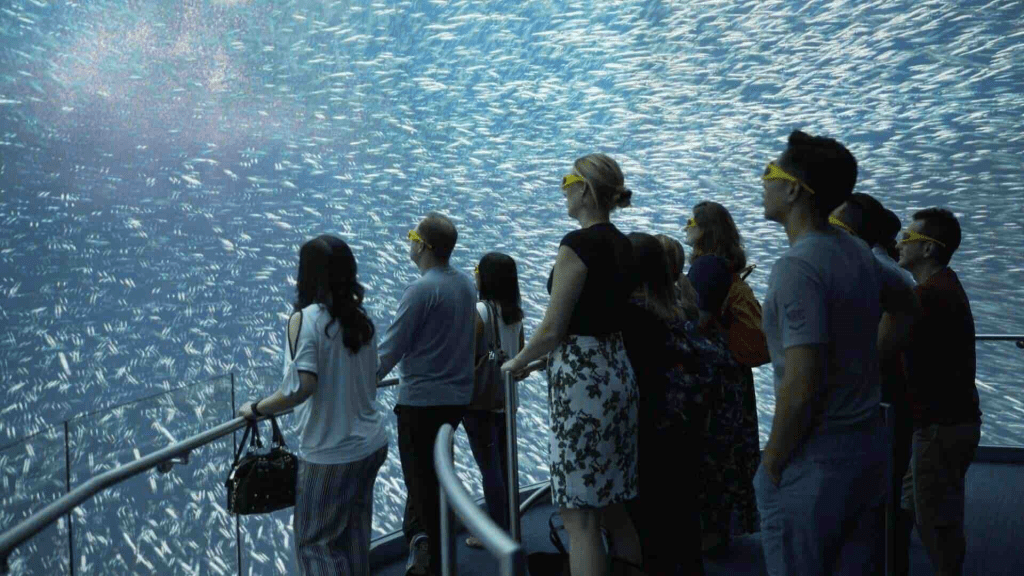
Another innovative project was the National Geographic’s Ocean Odyssey, which used real-time CGI to simulate underwater ecosystems, allowing visitors to “swim” with marine life.
Studios like Obscura Digital and Marshmallow Laser Feast create these installations, blending VFX with motion graphics, AR, and environmental storytelling.

Theme Parks
Theme parks have been using CGI, real-time rendering, and AR for decades to create immersive rides and attractions.
At Universal Studios, the Harry Potter rides combine physical sets with CGI animation, creating the illusion of flying through Hogwarts. Star Wars: Galaxy’s Edge at Disneyland takes it further, using real-time holography and AR for interactive experiences.
Companies like Framestore and ILM X-Lab work on theme park attractions, combining traditional VFX techniques with game engines like Unreal Engine to create real-time visuals.
For students interested in environment design and simulation, this field offers a mix of storytelling and technical problem-solving.
Digital Fashion
Fashion brands have embraced VFX, simulation, and real-time rendering for everything from digital try-ons to virtual fashion collections.
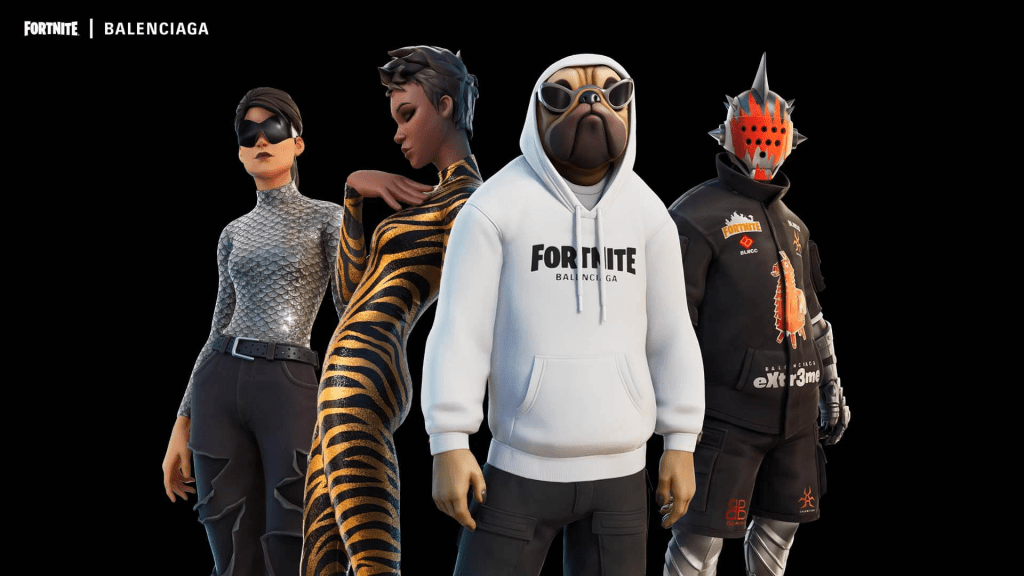
Balenciaga’s collaboration with Fortnite is a prime example, where the brand created in-game outfits that could also be purchased in real life. Meanwhile, companies like The Fabricant and RTFKT Studios specialize in hyper-realistic digital clothing, designed specifically for social media, gaming, and NFTs.
Digital fashion requires character modeling, texturing, and simulation skills, making it a promising industry for students interested in real-time rendering and virtual worlds.

Medical Visualization
VFX has also played a long-standing role in medical training, education, and research visualization.
Studios specializing in medical animation, such as Random42 and Hybrid Medical Animation, create detailed 3D models of human anatomy, cellular processes, and surgical procedures. These animations help doctors and students visualize complex biological functions with incredible detail.
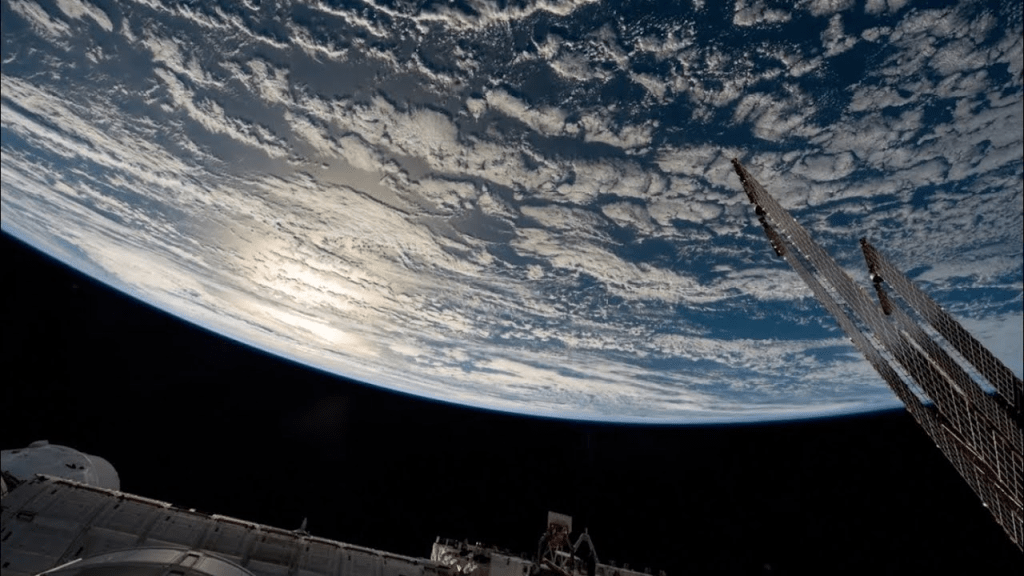
NASA also uses CGI for space exploration visualizations, modeling black holes, planetary formations, and theoretical physics concepts!
For students interested in scientific accuracy and procedural modeling, this industry offers a way to apply artistic skills to real-world research.
VFX has never been limited to film. The skills you’re learning, 3D modeling, real-time rendering, motion graphics, 2d compositing, are being used across multiple industries. Whether you’re interested in entertainment, science, or fashion, there are many ways to apply your creativity and technical skills outside of film and TV!
If you’re ready to explore your future in VFX, check out our courses at Escape Studios!
 THE ART OF VISUAL EFFECTS AT ESCAPE STUDIOS