
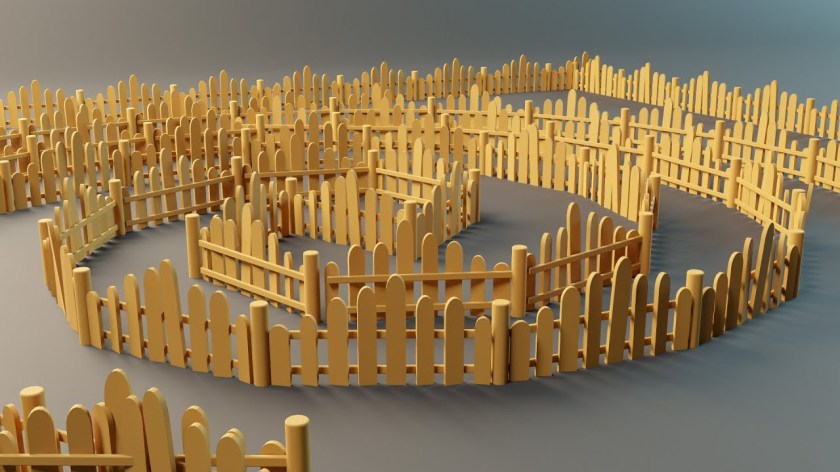
When you’re starting out in Houdini, it’s easy to get swept up in making cool explosions or procedural environments. That stuff is fun—and important—but there’s one skill that often gets overlooked: building tools, or HDAs (Houdini Digital Assets).
As someone teaching Houdini at Escape Studios, I always emphasize the value of building procedural setups—not just because it makes your work more efficient, but because it changes the way you think. When you build a tool, you’re not just solving a one-off problem. You’re creating something reusable, shareable, and scalable. Whether it’s a scattering system, a terrain generator, or a utility for cleaning up geometry, you’re starting to think like a pipeline artist.
Some Year 3 students took this approach for their Specialism Projects with amazing results. One built a tool for characters interacting with snow, creating realistic footprints and displacement with full control. Another developed an HDA for mud interaction, allowing characters and objects to dynamically deform and affect muddy terrain. And one more created a simulation-driven music interaction tool, syncing water simulations to beats and rhythm—an expressive, dynamic way to connect visuals and sound.
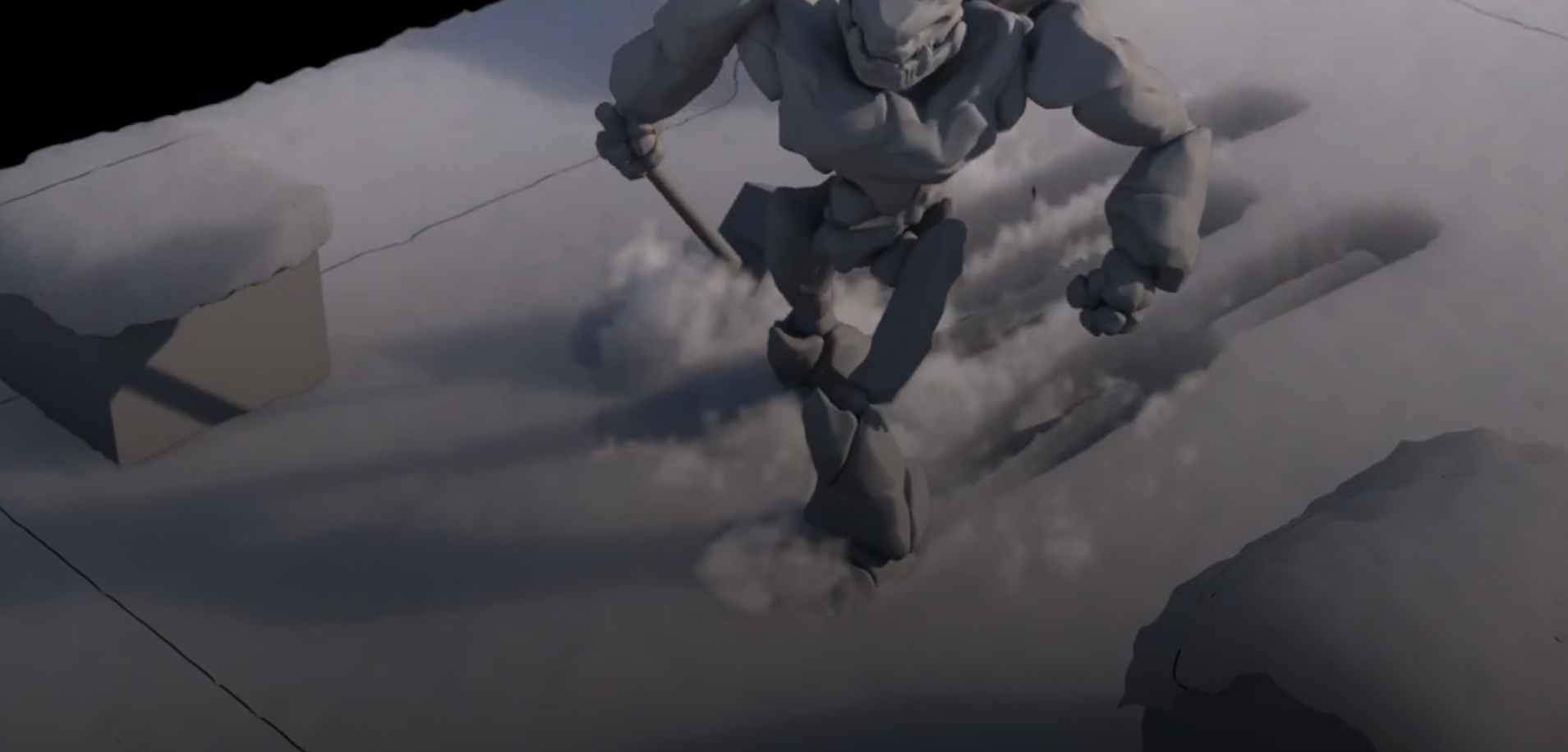
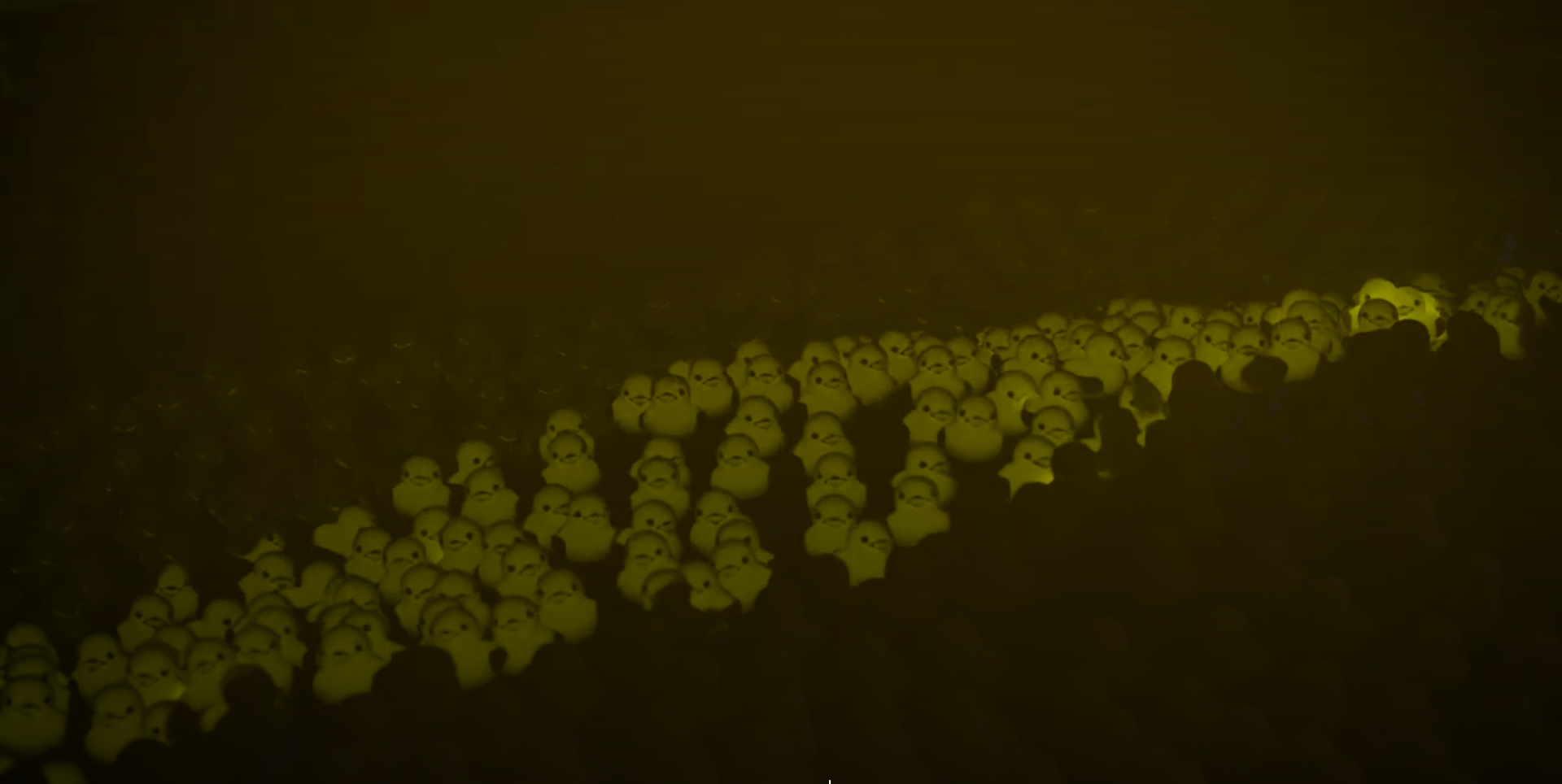
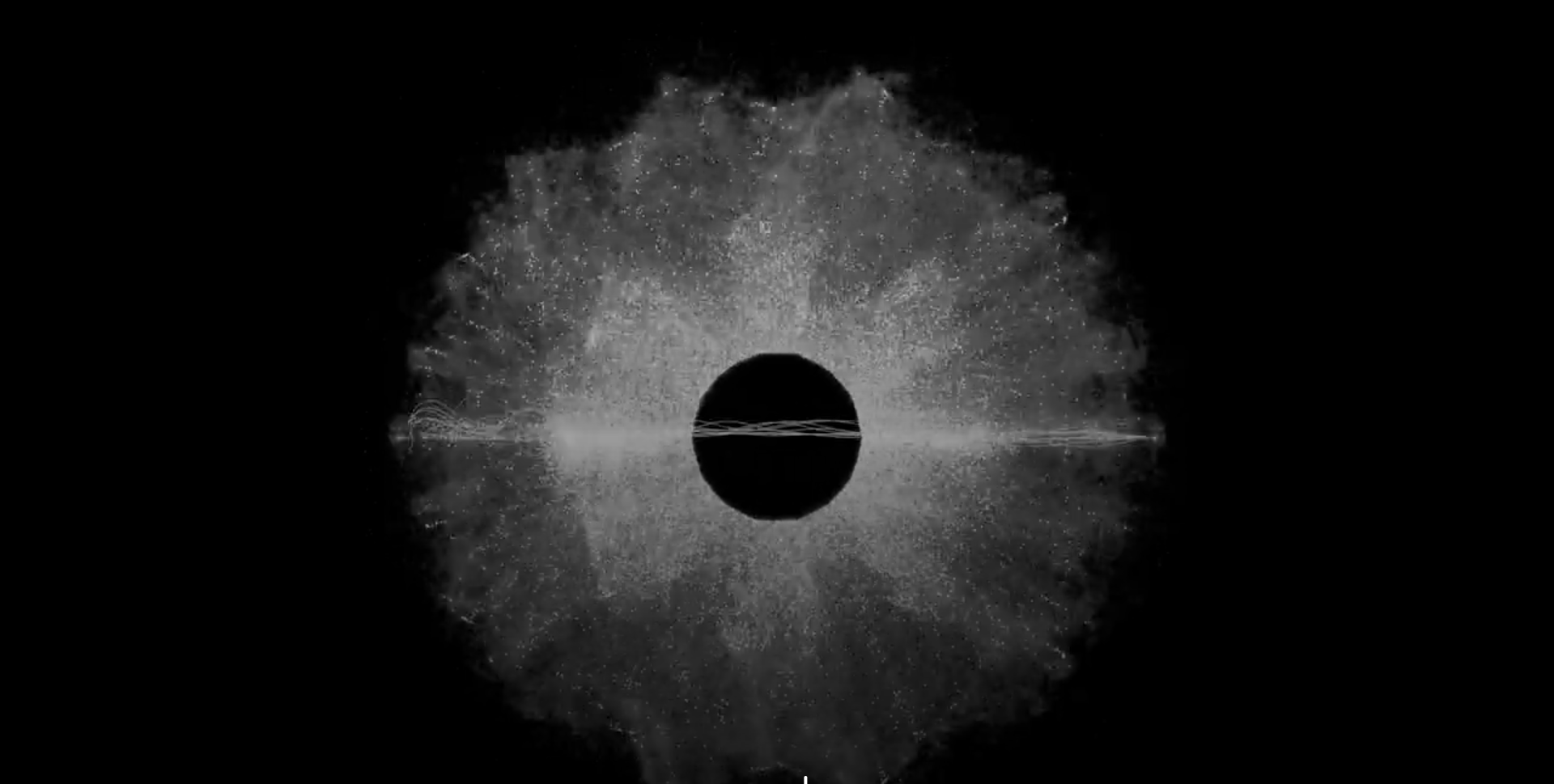
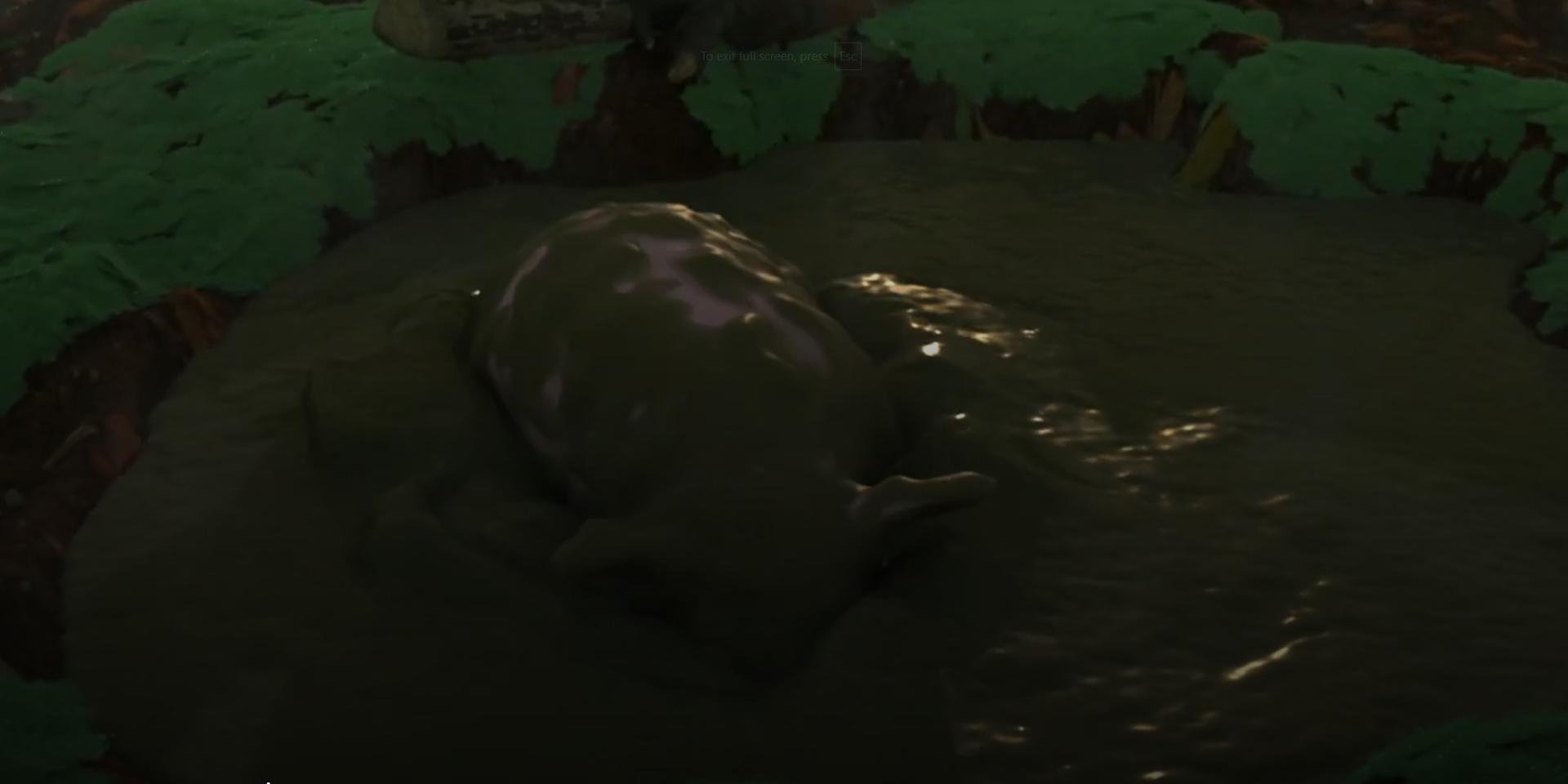
These tools didn’t just make their lives easier—they became standout pieces on their showreels.
And that’s the key: having a tool on your showreel is a game-changer when applying for Junior FX roles. It shows you understand workflows, scalability, and how to make your setups useful for others—not just visually impressive. Studios love that kind of thinking.
So while you’re learning all the cool FX and procedural tricks, take some time to wrap them into tools. You’ll stand out more, work smarter, and future-you (and your team) will thank you.
 THE ART OF VISUAL EFFECTS AT ESCAPE STUDIOS