

Animators study live action, and then incorporate – and exaggerate – real life in their work . The Bio Motion Walker is a useful tool for analysing how people walk and move in different ways.
You can find the Bio Motion Walker here.
Walk Cycle Tutorials
 |
| “Zombie” walk by Michael Davies |
Marc Stevenson Walk Tutorial
Marc Stevenson uses the Stewart rig, which is free for download. The Walk cycle with “Stewart” by Marc Stevenson can be found here:
https://www.youtube.com/watch?v=xIDuaRsUZUk&list=PLxIzoEJ0jom0fM2IISbqOsj2UNwg7WJbg
Ways to Animate a Walk – which is best?
One of the most common questions student animators ask when they tackle their first walk cycle is this: is it better to animate the walk cycle “on the spot”, as if on an imaginary treadmill, or is it better to animate the character physically walking across the screen, taking two steps?
Both methods of creating a cycle are effective approaches to the problem of character walks, and at Escape Studios we teach both methods. Both, however, have their advantages and disadvantages.
Watch this five minute video here to understand the difference between the two approaches, and decide for yourself which one suits you best.
Locomotion Resources at Escape Studios
Choose Your Method
 |
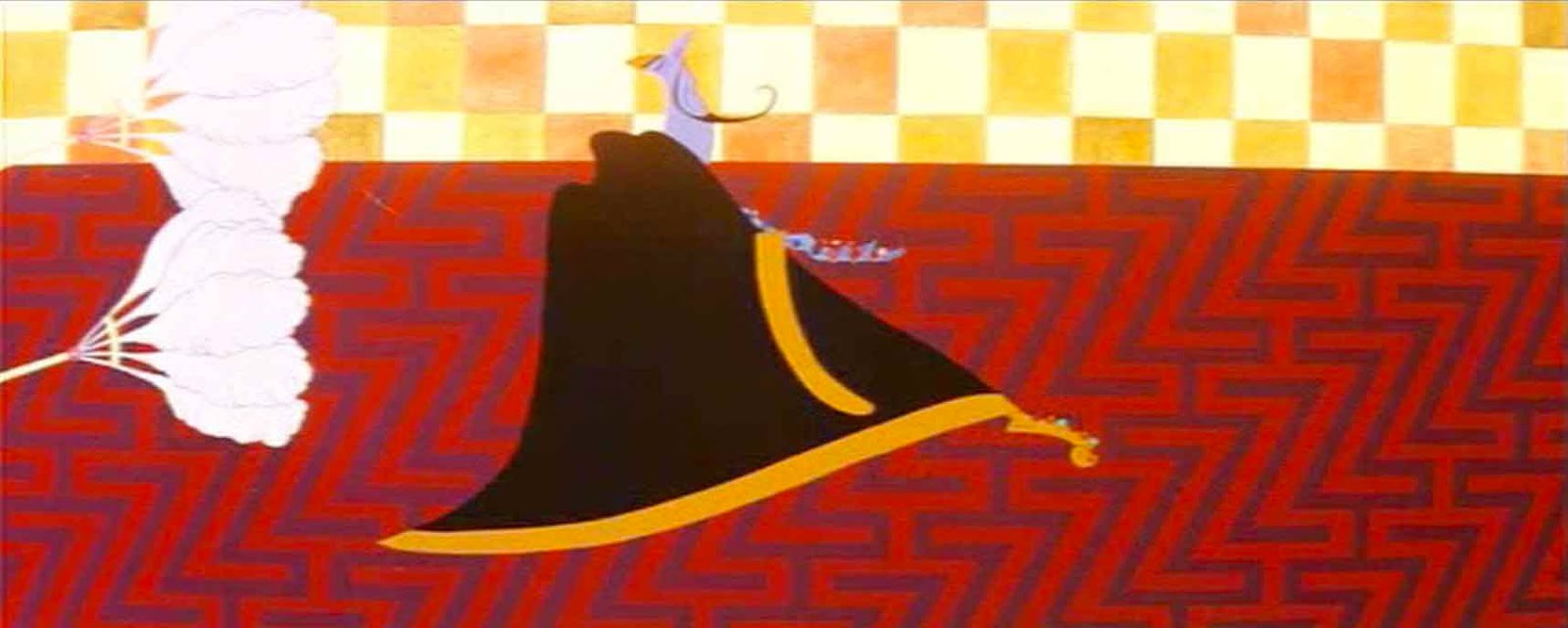
| Walk Cycle from “The Animator’s Survival Kit” |
To see more about how to animate walks at Escape Studios, read the blog posts below:
- “Stewart” Walk Tutorial with Marc Stevenson
- Animating the ZigZag Walk with Alex Williams
- Learn to animate a basic walk with “Monty” by Alex Williams
-
Basic Walk Cycle Tutorial using “Ultimate Walker” with Amanda Costa
- Character Walk Tutorial with “Monty”, with Alex Williams
- 100 Ways to Walk with Kevin Parry
- How to stop feet sliding in a walk cycle, with Alex Williams
- Character walks with Houman Soroushnia
- Basic Run Cycle Tutorial with Marc Stevenson
- “Monty” walk tutorial with Marc Stevenson
 THE ART OF VISUAL EFFECTS AT ESCAPE STUDIOS